The Difference Between Earthenware, Stoneware, and Porcelain: A Potter's Guide
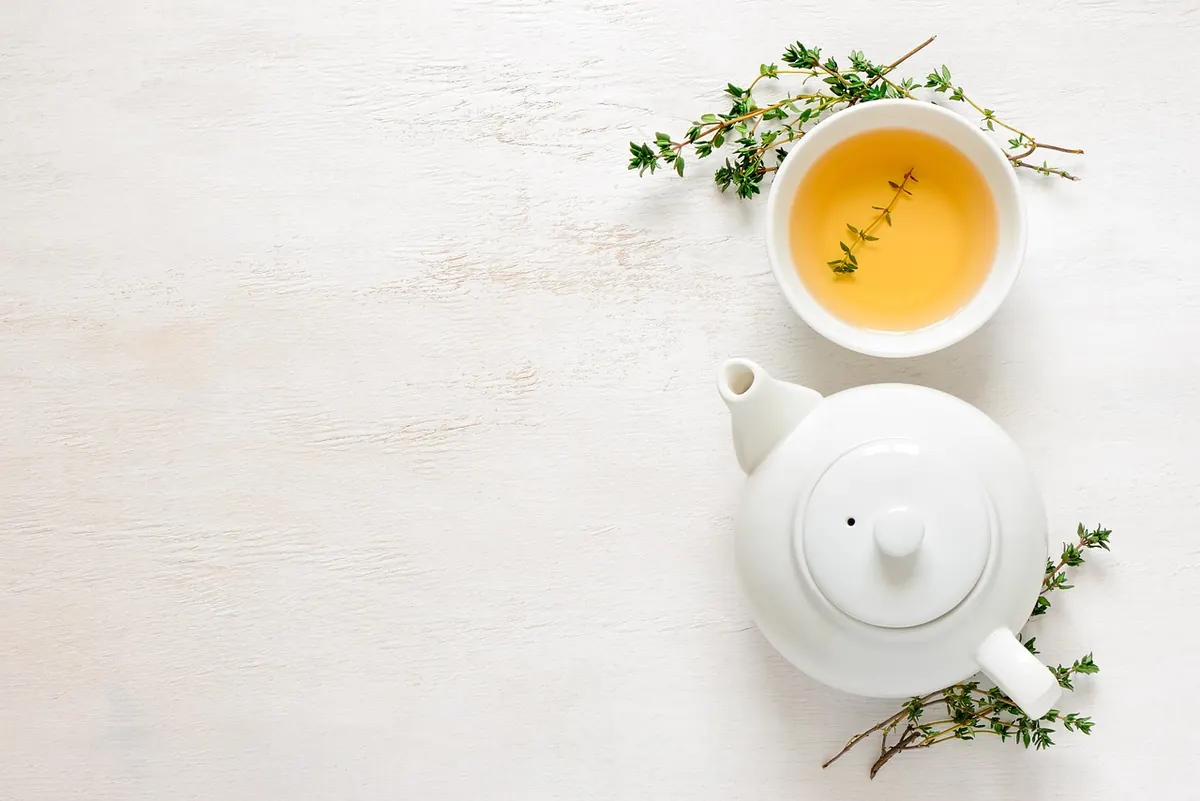
Pick up two mugs from your cupboard and tap them lightly. One gives a dull thud; another rings like a small bell. One feels warm and chunky; the other is thin, bright and almost luminous. The difference is not only the potter’s skill. It is the clay body and the temperature it was fired to. Earthenware, stoneware and porcelain are the three broad families you will meet in most studios, and each one asks for different handling, different glazes and a different place in the kiln.
They are not ranks. Earthenware is not “beginner clay” and porcelain is not automatically “better”. They are different materials with different jobs. Once you understand how each behaves, choosing a clay becomes much less mysterious.
Clay bodies are recipes, not just dirt
A clay body is a blend: clay for plasticity, a temper or filler such as grog or sand to control shrinkage and cracking, and a flux such as feldspar to help it melt and vitrify. Change the proportions and you change the firing range, the colour, the feel on the wheel and the way the finished pot handles heat.
That is why “stoneware” from one supplier can throw like butter while another feels short and thirsty. Always treat the supplier’s firing range as a starting point, then make test tiles. A clay that is underfired will be weak and porous; overfire it and it may bloat, warp or slump. The sweet spot is called maturity.
Earthenware: low fire, warm colour, generous nature
Earthenware is fired at the lower end of the scale, roughly 1000–1150°C. It is usually the most forgiving body for beginners. It throws easily, accepts hand-building, takes texture well and responds beautifully to bright glazes and slips. Terracotta, red clay, buff earthenware and many white low-fire bodies belong here.
After firing, earthenware remains porous unless it is glazed. That porosity is useful for planters, because excess water can escape through the unglazed base. It also makes earthenware less suited to rough daily use in the kitchen: a sudden change from hot to cold can cause thermal shock, and a poorly fitted glaze may craze or chip. Use it for decorative tiles, majolica, sculptural work, planters and pots where colour and character matter more than armour.
Stoneware: the dependable middle
Stoneware is fired higher, usually around 1200–1300°C. At that heat the body vitrifies: the particles fuse together, giving a dense, strong pot with low absorption. It is the workhorse of functional pottery. Mugs, bowls, casseroles, jugs, dinner plates and oven dishes are all natural stoneware territory, provided the clay and glaze are designed for that use.
Stoneware comes in buff, grey, brown, black and speckled versions. It tolerates reduction firing well, which is why so many studio potters love it. It is also more forgiving than porcelain when it comes to thickness and support. The main rule is glaze fit. A glaze that is too tight can shiver and flake; one that is too loose can craze. Both are fixable with testing, but neither should be ignored on foodware.
Porcelain: bright, dense, and demanding
Porcelain is fired at the top end, often 1200–1400°C. It is made from kaolin, feldspar and silica, with very little iron, which gives it its white colour. Fired properly, it is dense, hard, resonant and sometimes translucent. Held to the light, a thin porcelain cup can glow.
It is also the least forgiving. Many porcelain bodies have a narrow firing range: a little too cool and they stay chalky and weak; a little too hot and they slump, bloat or warp. Thin walls can move during firing, so careful support, clean shaping and a steady kiln schedule matter. Porcelain rewards patience. It is wonderful for fine tableware, teapots, jewellery, small sculptural pieces and any work where delicacy or a pure white surface is the point.
Firing temperatures at a glance
These are broad ranges, not laws. Every clay body is different, and pyrometric cones are more reliable than a digital controller alone. Check the maker’s recommendation and fire a test tile before committing a kiln load.
- Earthenware: roughly 1000–1150°C. Porous, colourful, easy to work, best for decorative and low-stress pieces.
- Stoneware: roughly 1200–1300°C. Dense, durable, ideal for everyday functional pottery.
- Porcelain: roughly 1200–1400°C. White, vitrified, often translucent, best for fine and delicate work.
- Bisque firing: often around 950–1000°C, but follow the clay maker’s schedule. Bisque should be strong enough to handle and porous enough to take glaze.
Matching clay to the job
If you are choosing a clay for a specific project, work backwards from how the pot will be used.
For daily tableware
Choose a stoneware or porcelain body rated for food use, then pair it with a well-fitted, food-safe glaze. Avoid earthenware for plates and mugs that will face hot dishwater, oven heat or sudden temperature changes. If you sell or gift work, test for leakage, crazing and cutlery marking, and check the rules that apply where you are.
For planters and outdoor work
Earthenware is a sensible, economical choice for indoor planters and seasonal containers; for frost-prone gardens, a vitrified stoneware is usually safer because it absorbs less water.
For delicate or translucent work
Porcelain gives the brightest white and finest edge. It also demands more attention to drying, handling and kiln packing. If you are new to it, start with a small, well-known porcelain body and make several test pieces before a large project.
Test, label, and keep notes
Whichever family you choose, the real answer lives in your own kiln. Make test tiles from each bag of clay. Fire them at the temperatures you actually use. Note shrinkage, colour, warping, glaze fit and how the fired surface feels. Keep a tile with the batch number and firing schedule, and write the same details in a notebook or on the shelf.
Work cleanly between clay bodies, especially if you switch from iron-rich earthenware to porcelain. A few crumbs of red clay can speckle a white body, and dust from one clay can contaminate another. Store bags sealed, label them clearly, and keep a separate bucket or board for each body if you can.
Finally, remember that the boundaries are not absolute. Some bodies sit between categories: a mid-fire clay may be called stoneware but fire closer to earthenware temperatures. A porcelain may be formulated for lower cones. The names are useful signposts, not strict boxes. Learn one clay thoroughly, fire it well, and you will make better pots than someone who chases every new body without testing. The kiln always has the last word.
Photo: dungthuyvunguyen / Pixabay